Reading Together at Home
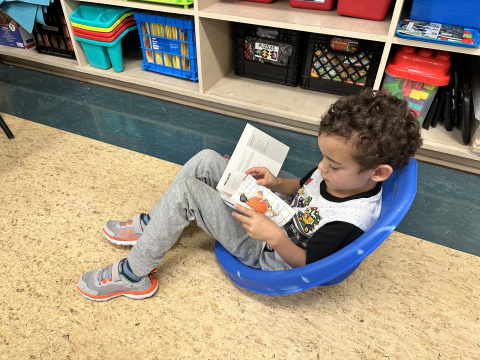
Reading at home is one of the most effective ways to support your child’s learning and overall development. Reading aloud together may seem simple, but research shows it plays a powerful role in building language, thinking skills, and a love of learning.
Why read with your child?
- Strengthens your bond and helps children feel loved, supported, and secure
- Builds listening skills, imagination, and vocabulary
- Helps children prepare for new experiences, such as starting a new grade or school
- Supports brain development and academic success
Easy ways to include reading every day
- Set aside time daily to read together — one child at a time or as a family
- Keep books within easy reach at home and on the go
- Make reading part of your routine, such as before bed or in the morning
Supporting understanding and thinking
Asking open-ended questions before, during, and after reading helps build comprehension. These questions encourage children to share their ideas and thinking.
Before:
- What do you think this book might be about? What makes you think that?
- What might the problem be? Does that remind you of anything?
- What will we learn about when reading this book? Do you know anything about _______________?
During:
- If your child stops to share their thinking and/or ask a wondering question, engage with them, and make sure their thinking is connected to the book.
After:
- What were you thinking while reading this story? (take me to a place in the book where you did some thinking)
- What were some important things that happened? (i.e. problem; the solution, etc.)
- How did the character feel throughout the book?
- Did you think the ending was good? Why or why not?
- What did you learn?
- Did any of your thinking change when reading this book? How?
- What surprised you in this book?
- What would you have added to this book if you were the author?
One or two good questions should be enough to start a conversation about a book. If it is not, prompt them to say more (i.e. tell me more about that...).
Helpful reading tips and resources for families are available through the links below:
Canadian Children's Literacy Foundation Literacy Resources for Families and Caregivers